Our method
De Giusti Prosecco is fermented off the skins in accordance with the rules and traditions established by the first oenology school in Italy, which was in Conegliano.

Age verification
This site presents alcoholic beverages. Please confirm that you are at least 18 years old to enter.
Excessive alcohol consumption is harmful to your health.
Alcohol is not for sale to persons under 18, so we cannot show you the contents of this site.
Excessive alcohol consumption is harmful to your health.
Charmat method
People very often get their ideas mixed up when it comes to the definition of prosecco. They tend to simply think of it as sparkling wine, but that is not the case with all kinds of prosecco.
The grapes
Prosecco must contain at least 85% Glera grapes. The other 15% can be made with a selection of grapes: Verdiso, Perera, Bianchetta Trevigiana, Chardonnay, Pinot Bianco, Pinot Grigio and Pinot Nero.
De Giusti Prosecco is fermented off the skins in accordance with the rules and traditions established by the first oenology school in Italy, which was in Conegliano.
01
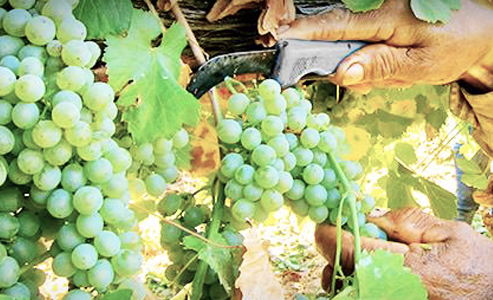
The grapes are harvested when they reach an optimum level of sensory ripeness — in terms of their sugar content, acidity and aromatic substances. It is a delicate operation: the berries must reach the cellar intact, so that spontaneous fermentation cannot begin.
02
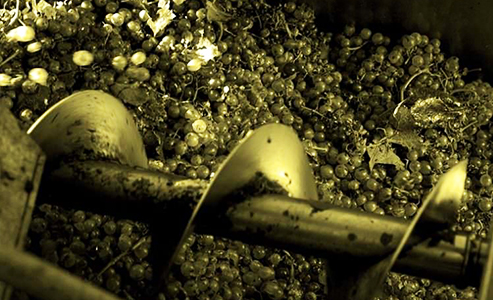
Sophisticated machines are used to press the grapes gently, thus ensuring that only the finest must, from the heart of the berry, is extracted.
03
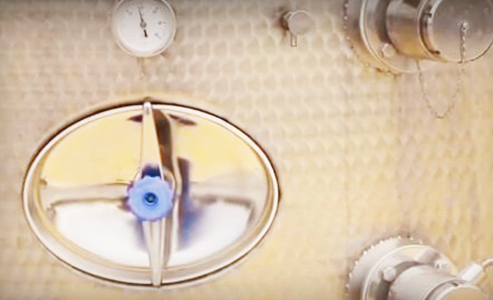
The must is left to decant in steel vats at 5–10 °C for a period of 10 to 12 hours.
04
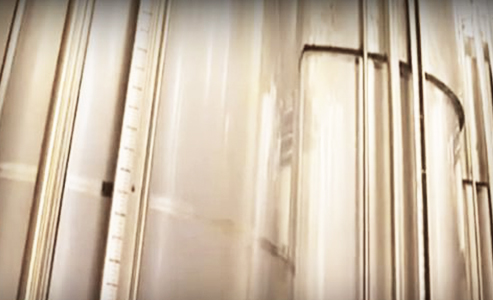
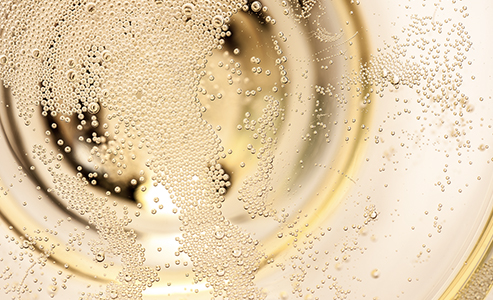
Only the clear part of the must goes through fermentation, which takes place thanks to the addition of select natural yeast. The most delicate fragrances of the grapes are preserved during the process, which occurs in steel vats at a constant temperature of 18–20 °C and takes 15–20 days. Fermentation is followed by the ageing period. During this stage, racking and filtering procedures are carried out in order to produce the clear liquid known as base wine.
05
Second fermentation begins once the base wine has clarified. After careful tasting, the batches held in the cellar — kept separate until now by origin, harvest period and sensory character — are blended in carefully gauged proportions. The Charmat method involves the use of large pressure tanks called autoclaves, into which the wine goes together with sugar and yeast. The technique preserves the varietal aromas of the grapes, giving rise to fruity, floral wine with the silky bubbles for which Conegliano Valdobbiadene is renowned.
06
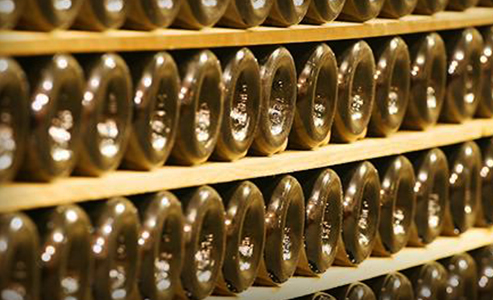
Bottling takes place at the end of the second fermentation. The rules and regulations then require us to wait for a set period, after which our Prosecco is ready to go on sale.
Nine wines — Prosecco DOC and DOCG, rosé, Gran Cuvée, Fior d'Arancio and the alcohol-free NO.A.
Newsletter
New releases, harvest news and invitations – a few times a year, never more.